Sundial by Noname (2023)-March 20, 2025

I meant to do this during February for Black History Month, but didn’t get to it, so for the rest of the month of March and part of April, I aim to share one (but have fallen behind) classic album by a Black artist/group from anywhere in the world each day. I will give special attention to albums & artists that don’t receive as much attention, as well as music from women, queer folks, or folks from the Global South.


For my working understanding of the idea of “classic album”, I am considering albums that have some “musical, lyrical, or cultural significance, demonstrated by unique or memorable artistic performance, message, and lasting replay value” (my own definition here). Important point: what I consider a classic will undoubtable differ from others perspective, whether they be musicians, artists, critics, and the general public.

~~~~~~~~
Thursday March 20, 2025
~~~~~~~~
Today’s selection is:
Sundial by Noname (2023)
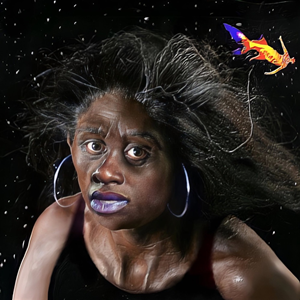
Song highlights: Hold Me Down, Balloons, Boomboom, Namesake, Beauty Supply, Gospel?, Oblivion

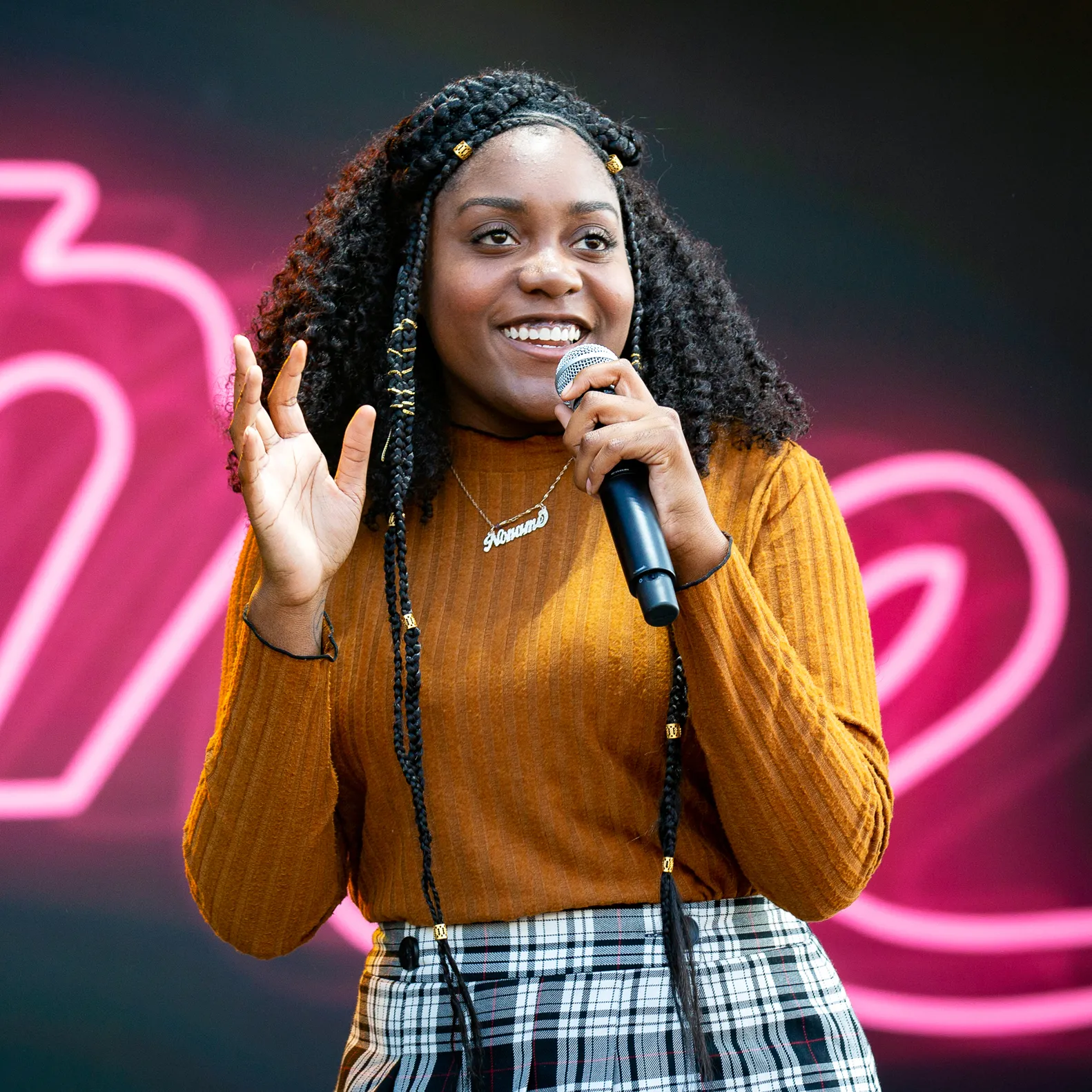
Noname is one of the best and most underrated modern hip-hop artists, as well as one of my personal favorite rappers of all time. I have been listening to her since her debut project, Telefone, where her poignant and nostalgic verses reminiscent of childhood and adolescence (“Yesterday”, “Diddy Bop”, “Sunny Duet”) can always give me the feels. (From “Yesterday”: "When the sun is going down\\ When the dark is out to stay\\ I picture your smile\\ Like it was yesterday"). Noname also features as a memorable guest artist on the music of fellow Chicago artist, Chance the Rapper, where her verses are some of the highlights for me on Chance’s projects (e.g. “Lost” from Acid Rap and “Finish Line/Drown” from Coloring Book).

The proceeds of Noname’s guest verses with Chance helped fund recording for her second project, Room 25, released in 2018. Room 25 exhibited Noname’s growth in terms not only age, but artistry, speaking about a sexual and romantic awakening and interrogating political structures to a greater extent. On this second project, Noname matches the personal of Telefone with the wider political. For instance, on “Blaxploitation” Noname satirizes the external and self portrayals of Black people ("Penny proud, penny petty, pissing off Betty the Boop\\ Only the niggas that hoop, traded my life for cartoon"), while on “Self”, she questions the role of her music and what it means to her fans, the rap community, and ultimately herself ("Maybe this the album you listen to in your car\\ When you driving home late at night\\ Really questioning every god, religion, Kanye, bitches\\ Maybe this is the entrance before you get to the river\\ I had him before the heathen no reason for you to like me").

These themes return on Sundial, but the wider political question is now the explicit foreground, with the personal life of Noname reflected in the context of her knowledge about the interlocking structures of colonialism, imperialism, and misogyny. This clarity is illustrated in the first song on the album, “Black Mirror”, which references the hit sci-fi show, but also the haunted reflection of America’s past ("Shadowbox the sun down 'til sundown\\ Lynch town\\ Burnin' in the rearview while I'm drivin' with a clear view"), the constrictions of gender ("Gender is dimension one\\We live in dimension four"), and the dangers of relying on the state ("The state say we dead, we say we not\\ That's my bitch, I believe my sister\\ There are no winners"). Other songs mention political struggles, such as the current fight against Cop City in Atlanta where police murdered a protester in 2023 (From “Hold Me Down”: Couple opps bleedin’ out real heavy\\ Cop city, ATL, kill ready”) and revolutionary moments of resistance around the world (From “Gospel?”: "This is a ode to Haiti, Mozambique, Martinique, Trinidad, Grenada\\Wherever Black people sleep, pray for them\\Pray for me, pray for me, pray for me").

Noname’s presence on the mic may seem almost humble at first, but belies an impressive vocal dexterity. Her conversational tone is quick and witty, but also warm and easy to embrace. The music is jazzy and full-bodied, with plenty of boom-bap basics and tight harmonies that are well-suited to Noname’s delivery. Further, the features on the album are fantastic, with lesser-known artists like Bajan-American singer Ayoni providing some sweet choruses on “Boomboom” and “Oblivion”, and other better known rappers like Common, Billy Woods, and Jay Electronica also featuring on the project. The choice of rappers fits the project incredibly well, with everyone bringing some great verses. For instance, Billy Woods’s vocal gravitas and offbeat flow add a great dimension to “Gospel?” ("I remember stadiums so packed\\ The trees outside the gates heavy with Black joy\\ Just to get a glimpse of the comrades\\ Our boys back from the bush\\ The crowd sway to the gospel of liberation\\ Poised for revolution").

What elevates Noname on this album is her relenting pursuit of self-growth through personal and communal criticism. On “Balloons”, Noname criticizes the white people who indulge in Black art and pain as tourists ("Casual white fans, who invented the voyeur?\\Fascinated with mourning, they hope the trauma destroy her"), but does not fully absolve the Black artist who is not able to discern the motives for consumption of her art ("Front row, center, still gratitude, she love 'em\\ But she can't tell if it's genuine or just consumption\\ Analyze the gumption, monopolize the landscape\\ She's just another artist selling trauma to her fanbase"). The most self-critical verses come on “Hold Me Down” and “Namesake”, where Noname points out the harm that Black people can cause to their own (From “Hold Me Down”: "That wasn't us, that was colonialism\\We keep our babies fed\\ We don't beat and rape on our women, we good\\ We is Wakanda, we Queen Rwanda\\ First Black president and he the one who bombed us, yeah"), as well as the inherent contradictions of Black celebrity on “Namesake”, calling out Beyonce, Rihanna, and Kendrick for their participation in pacifying projects like the SuperBowl, while Noname names herself complicit in similar projects (aka Coachella) (From “Namesake”: “Go, Kendrick, go\\ Watch the fighter jet fly high\\ War machine gets glamorized\\ We play the game to pass the time\\ Go, Noname, go\\ Coachella stage got sanitized\\ I said I wouldn't perform for them\\ And somehow I still fell in line")

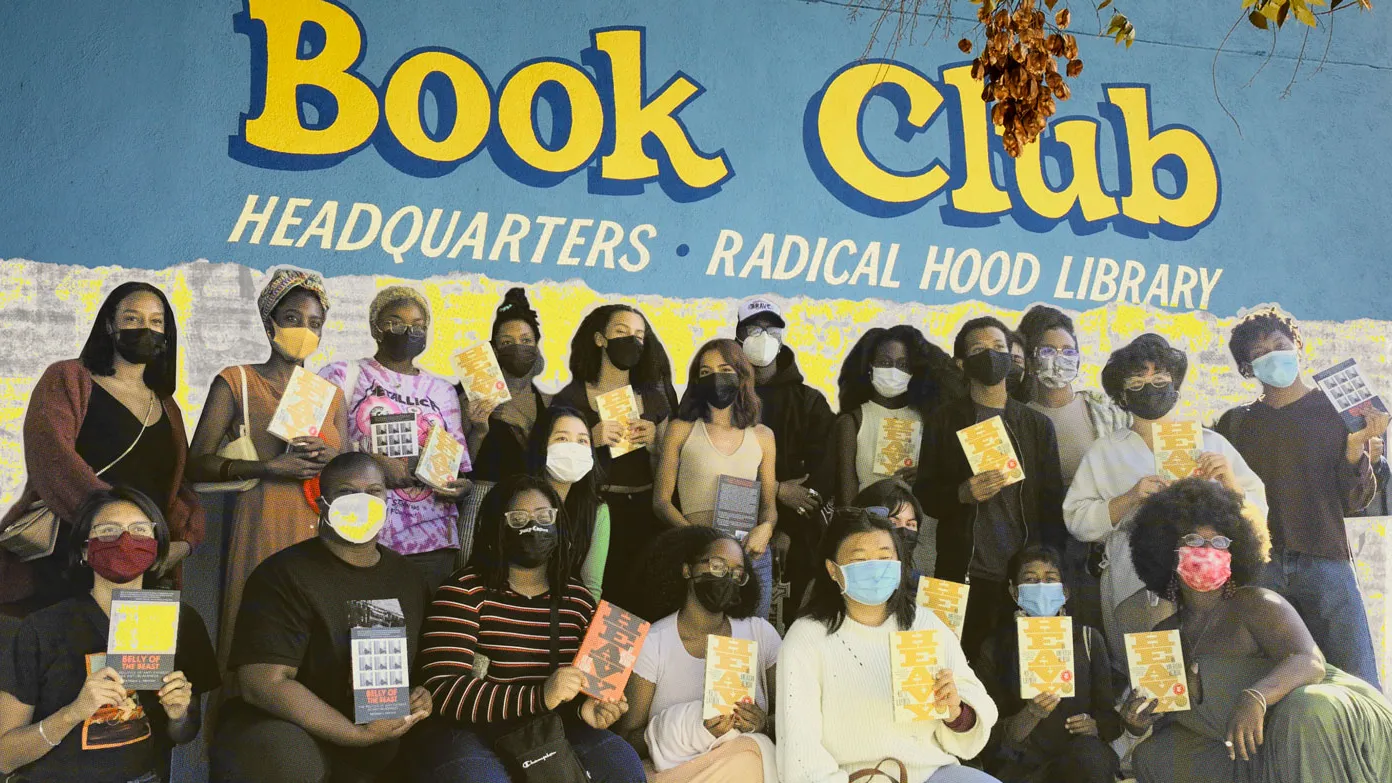
The name “Sundial” is apt for this project, with a sundial invoking the tallying of time, the dialectic forces of light and shadow, and the change that Noname has experienced over her career. Also, Noname has a library club and book store. See pictures below. 🤓

Selection from “Balloons”:

In the land before a lamb, monasteries and Narcan
Casual white fans, who invented the voyeur?
Fascinated with mourning, they hope the trauma destroy her
Why everybody love a good sad song, a dark album, like?
Tell me that your homie dead, your mama dead
Your brother bled along the street
The corner where the Walgreens and White Castle is
Ooh-wee, yeah, we know that you miss him
And if you sing about his sister, then we buyin' a ticket, for real
Front row, center, still gratitude, she love 'em
But she can't tell if it's genuine or just consumption
Analyze the gumption, monopolize the landscape
She's just another artist selling trauma to her fanbase

Selection from “Hold Me Down”:

Uh, yeah
I hope you understand, everybody scams
A little Peter Pan paranoia, polygram tell the truth
In the booth, feed the drought
Couple opps bleedin' out real heavy
Cop City, ATL, kill ready
And that's your name, people slow
Incentivize money flow
The government got a hold on everything, love
What if the loved one really don't love love?
Diminish the one love we trust, that's us

\\

We could scapegoat everything
We could penny-pinch the homie for defendin' the dream
A simpler thing, by any mean, niggas'll kill they team
Say the gun did it, run with it
White man'll front man the whole vision
We just see self in his image
Won't be a self-critic, burn up our whole village
That wasn't us, that was colonialism
We keep our babies fed
We don't beat and rape on our women, we good
We is Wakanda, we Queen Rwanda
First Black president and he the one who bombed us, yeah
Makin' niggas rich, Black billionaire legit
Slave market deficit, rise up, the price up
Escapism is better livin' than this
Better be honest, baby
We better when we admit
We too can cause harm, we really should link arms
They already take arms, a factory, fake farms (Hold me)
They killers, why we help them kill us?
(Hold me down, hold me down)

Selection from “Namesake”:

Noname, where's your cane?
We could stand in the rain
Maintain a good life, we could fry plantain
Same day the airstrikes strike down Iran
I ran into the house with a blunt in my hand, let's smoke
I don't wanna see death no more, let's fight
They got the devil hidin' in plain sight
That's you, that's me, the whole world is culpable
Why complacency float the boat the most?
I don't really get it, y'all ain't really with it
All that eat the rich, tax the rich, y'all ain't really 'bout that shit
Bitch, if you want some money, you can say that
You deserve the payback 'cause niggas took everything
Let's go get that and take it to the hood, though
Share it with community, we soldiers in plain clothes
Everybody got they role, don't be an opp
Everybody got they role, I'ma play mine
Like Scooby-Doo in a haunted house
I see the ghost that they talkin' 'bout, I see the signs
Read in between the line at the crime scene
I ain't fuckin' with the NFL or JAY-Z
Propaganda for the military complex
The same gun that shot Lil Terry out west
The same gun that shot Samir in the West Bank
We all think the Super Bowl is the best thing

Go, Rihanna, go
Watch the fighter jet fly high
War machine gets glamorized
We play the game to pass the time
Go, Beyoncé, go
Watch the fighter jet fly high
War machine gets glamorized
We play the game to pass the time
Go, Kendrick, go
Watch the fighter jet fly high
War machine gets glamorized
We play the game to pass the time
Go, Noname, go
Coachella stage got sanitized
I said I wouldn't perform for them
And somehow I still fell in line

Cartola II by Cartola (1976)-March 16, 2025

I meant to do this during February for Black History Month, but didn’t get to it, so for the rest of the month of March and part of April, I aim to share one classic album by a Black artist/group from anywhere in the world each day. I will give special attention to albums & artists that don’t receive as much attention, as well as music from women, queer folks, or folks from the Global South.


For my working understanding of the idea of “classic album”, I am considering albums that have some “musical, lyrical, or cultural significance, demonstrated by unique or memorable artistic performance, message, and lasting replay value” (my own definition here). Important point: what I consider a classic will undoubtable differ from others perspective, whether they be musicians, artists, critics, and the general public.

~~~~~~~~
Sunday March 16, 2025
~~~~~~~~
Today’s selection is:
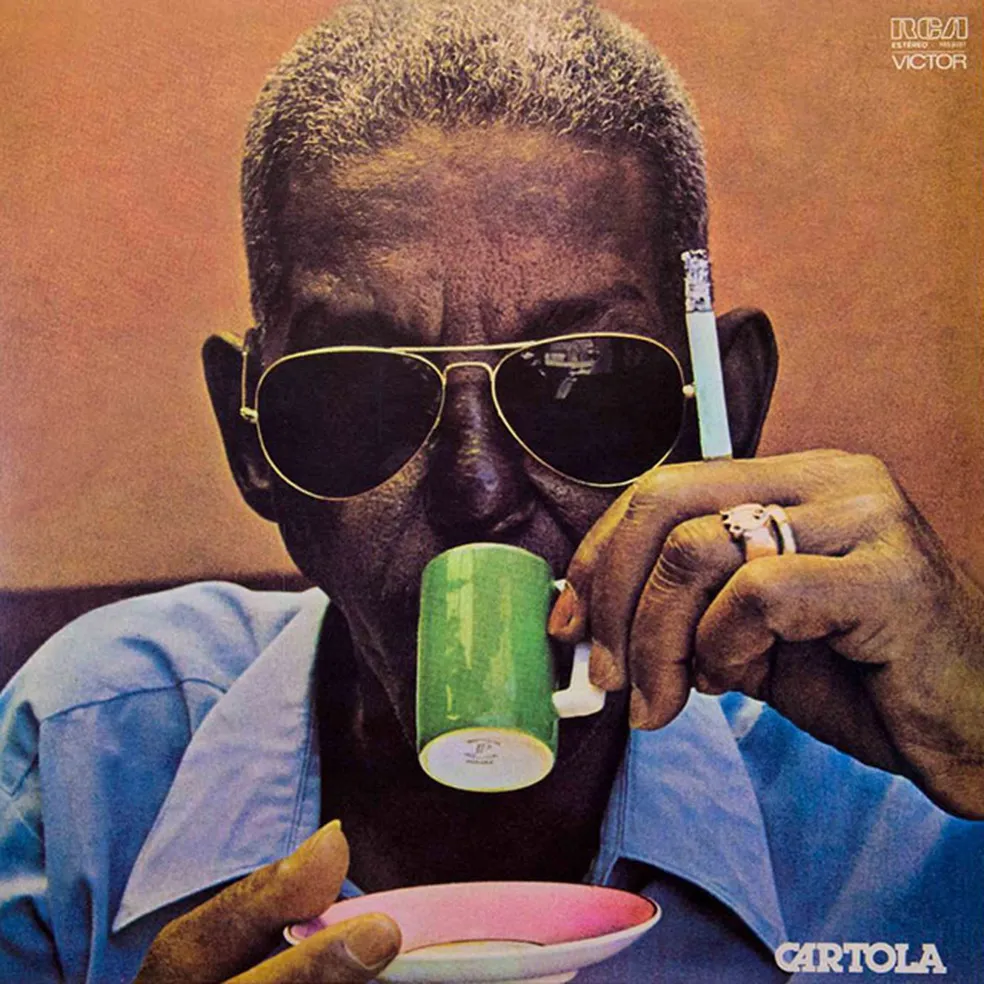
Cartola II by Cartola (1976)

Song highlights: O Mundo é Um Moinho, Minha, Sala de Recepção, Não Posso Viver Sem Ela, Preciso Me Encontrar, As Rosas não Falam

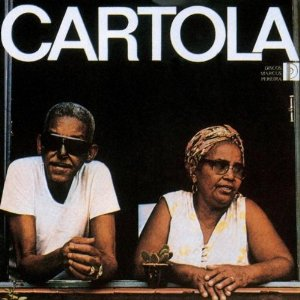
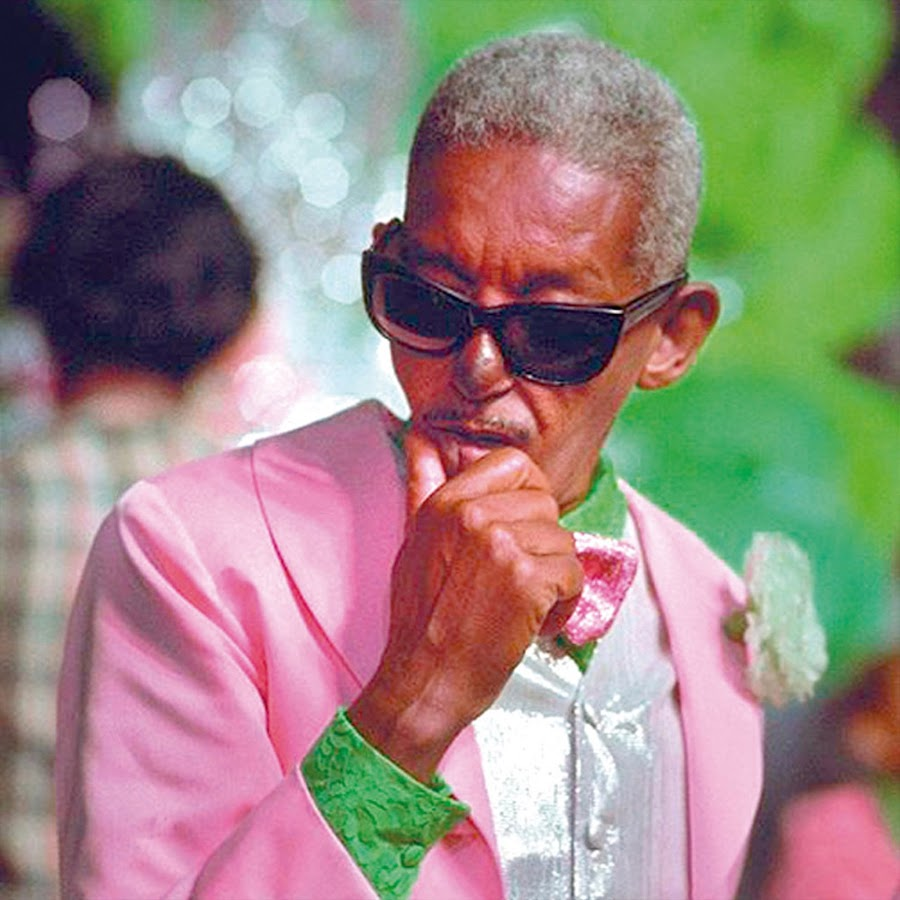
On Cartola II (1976) by the legendary sambista Cartola, the writing is so sharp and his voice so laden with romance and melancholy (saudade) that you can feel the years put into his craft. Co-proprietor of the Zicartola bar in Rio de Janeiro with his musical and life partner Dona Zica (also on the cover of the album), Cartola was instrumental in spreading the music of the favelas to a larger Brazilian and worldwide audience. Only later in his life, did he record whole albums, exhibiting his sublime mastery of the art form.

The opening track, “O Mundo É um Moinho” (The world is a windmill), is one of the great meditations on life in modern music, with an old man giving advice to a younger loved one. The song opens with an elegiac flute and quickly moves into a sparse finger-picked guitar. The narrator counsels his young loved one (“Ainda é cedo, amor“) that soon that long night will come and the passage of one’s life will crush dreams (“Vai triturar teus sonhos“) and reduce illusions to dust (“Vai reduzir as ilusões a pó“). In a manner reminiscent of Ozymandias, the windmill will bring you high, but circle you again low, and your own feet will dig a hole into the abyss (“Quando notares, estás à beira do abismo//Abismo que cavaste com teus pés“). Cartola’s empathic vocals deliver the message of the song with such hushed pain in the initial verse only for the tempo and volume to pick up for the next verse as the urgent message is repeated. Life will bring you down and up and down again, with pressure, pain, and lost love the hard fought cost of wisdom.

Other songs deliver messages of melancholy and regret with an air of grim humor. On “As Rosas não Falam” a man complains to the roses but chides himself when the roses cannot speak back to him (“Que bobagem as rosas não falam“). When other tracks have a more bouncy and up-tempo feel (see “Sala de Recepção”) there is triumph in exploits (“E temos orgulho de ser os primeiros campeões“) and time to hug one’s rival as a brother (“Aqui se abraça inimigo\\Como se fosse irmão“), all while the moon bathes in our songs (“A noite, a lua prateada\\Silenciosa, ouve as nossas canções“).

This album is music of a life lived where in the face of conflict, poverty, and pain, Cartola affirms that happiness nevertheless lives here. (“Eu digo e afirmo que a felicidade aqui mora” from “Sala de Recepção”)

In Concert by Nina Simone (1964)-March 15, 2025

I meant to do this during February for Black History Month, but didn’t get to it, so for the rest of the month of March and part of April, I aim to share one classic album by a Black artist/group from anywhere in the world each day. I will give special attention to albums & artists that don’t receive as much attention, as well as music from women, queer folks, or folks from the Global South.


For my working understanding of the idea of “classic album”, I am considering albums that have some “musical, lyrical, or cultural significance, demonstrated by unique or memorable artistic performance, message, and lasting replay value” (my own definition here). Important point: what I consider a classic will undoubtable differ from others perspective, whether they be musicians, artists, critics, and the general public.

~~~~~~~~
Saturday March 15, 2025
~~~~~~~~
Today’s selection is:
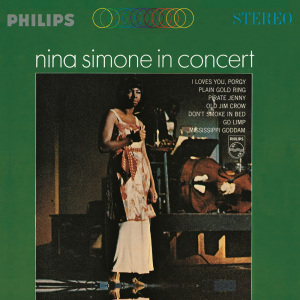
In Concert by Nina Simone (1964)

Song highlights: I Loves You Porgy, Plain Gold Ring, Pirate Jenny, Mississippi Goddam

I am embarrassed to say I only started listening to Nina Simone in depth in the last couple of years and really digging into her catalogue as I was writing and listening in the past couple of months. Wow, was I missing out.

Despite the acclaim Nina Simone receives, she is still massively underrated. Nina Simone In Concert (1964) shows her at the top of her game as one of the best American performers of all time. This 1964 live album contains recordings from three separate live performances in March and April 1964 at Carnegie Hall in New York City, and they sit as some of the best live recordings across any genre. The songs and performances are at times plaintive (“I Loves You Porgy”) , darkly humorous (“Go Limp”), and eerie (“Plain Gold Ring”).

The main attraction is as always Nina Simone’s voice itself and how it interplays with her piano. On “Plain Gold Ring”, Simone conjures a dark, ethereal march where the richness and depth of her voice foregrounds the simple but solemn parade of piano. Put simply, you feel it when she says, "In my heart it will never be spring//Long as he wears a plain gold ring."

Further, Simone’s vocal tics and theatrics elevate the performances into their own stratosphere, allowing for unique and compelling storytelling. Most notably, “Pirate Jenny” depicts a poor, Black woman in a Southern coastal town who faces violence, harassment, and the endless domestic drudgery, only to use her unassuming position as a springboard for revenge. The song is intentionally off-putting and uncomfortable, with Simone inhabiting the restless and vengeful character with scratchy whispers and delirious shouts. All the while, the piano staccatos along like a grandfather clock ticking in a minor key. The song ends with an orgy of imprisonment, murder, and fire, a personalized sketch of colonized, Fanonian violence stemming from the lifetime of toiling with “iron pots and kettles” (Maria Stewart 1831) and long-standing ill-treatment.

The time horizons of change and challenging of discrimination is a common thread in these performances. At the opposite end of the abrupt razing of the current system depicted in “Pirate Jenny” is the piece-meal and cowardly approach of white liberals & moderates lambasted by Simone on “Mississippi Goddam”. Again, on this song the music fits the theme and becomes frenetic to emulate the confusion and speed of the time. Simone goes on to list a thousand and one grievances (picking cotton, washing windows, insults and stereotypes), while the backing vocals say "too slow".

Too slow indeed, Ms. Nina Simone.

Selection From Pirate Jenny:

You people can watch while I'm scrubbing these floors
And I'm scrubbin' the floors while you're gawking
Maybe once you tip me and it makes you feel swell
In this crummy Southern town
In this crummy old hotel
But you'll never guess to who you're talkin'
No, you couldn't ever guess to who you're talkin'

By noontime, the dock is a-swarmin' with men
Comin' out from the ghostly freighter
They're moving'in the shadows where no one can see
And they're chainin' up people, and they're bringin' em to me
Askin' me, "Kill them now, or later?"

Selection from Mississippi Goddam:

Don't tell me
I tell you
Me and my people just about due
I've been there so I know
They keep on saying "Go slow"
But that's just the trouble
"Do it slow"
Washing the windows
"Do it slow"
Picking the cotton
"Do it slow"
You're just plain rotten
"Do it slow"
You're too damn lazy
"Do it slow"
The thinking's crazy
"Do it slow"
Where am I going?
What am I doing?
I don't know
I don't know

*Note this video is a live performance in Antibes, France, NOT the Carnegie Hall performances

Untitled (Black Is)-March 14, 2025

I meant to do this during February for Black History Month, but didn’t get to it, so for the rest of the month of March and part of April, I aim to share one classic album by a Black artist/group from anywhere in the world each day. I will give special attention to albums & artists that don’t receive as much attention, as well as music from women, queer folks, or folks from the Global South.


For my working understanding of the idea of “classic album”, I am considering albums that have some “musical, lyrical, or cultural significance, demonstrated by unique or memorable artistic performance, message, and lasting replay value” (my own definition here). Important point: what I consider a classic will undoubtable differ from others perspective, whether they be musicians, artists, critics, and the general public.


~~~~~~~~
Friday March 14, 2025
~~~~~~~~
Today’s selection is:
Untitled (Black Is) by Sault (2020)


Sault is a Black British musical group/collective that is led by producer Inflo and singer Cleo Sol. The songs on this album capture the righteous anger, frustration, and hope during Summer 2020, with the album being released on June 19, 2020, less than a month after the May 25 murder of George Floyd by Derek Chauvin and the complicity and racism of the police & justice system.


The songs on this album depict a multifaceted mosaic of Black resistance around the world against imperialism, colonialism, and racism. At times, the songs feel like a pirate radio station, for instance as the static plays between “June Child” and “Miracles”, and the dial seems to turn, increasing the volume as the vocals doo wop. I constantly find myself returning to this album and thinking about the lyrics, which are, in essence, mantras.


Song highlights: Don’t Shoot Guns Down, Bow, Wildfires, Monsters, Miracles


From “This Generation”:
“It’s time to wake up
We have walked the walk many years
Many times
We have walked in silence
We have expressed our voices
People have died
We’ve walked the walk
We have talked the talk
Nobody’s listening
Nobody listened
Nobody cared
Nobody cared
This generation cares”


Track linked: Bow


“Answer to Kenya
Check in with Uganda
Remember Rwanda
I see Tanzania
From Verde to Ghana
Take care of Somalia
Free Sudan
Blood thicker than water
Won’t you free Bobi Wine
Senegal, Madagascar
I need you, Angola
I see Tanzania
My people in Congo
I wanna free Sudan
Dance with Nigeria
From Egypt to Libya
Oh, we got, we got, we got, we got rights
We got rights, we got rights
Oh, we got, we got, we got, we got rights
We got rights”