I meant to do this during February for Black History Month, but didn’t get to it, so for the rest of the month of March and part of April, I aim to share one classic album by a Black artist/group from anywhere in the world each day. I will give special attention to albums & artists that don’t receive as much attention, as well as music from women, queer folks, or folks from the Global South.
For my working understanding of the idea of “classic album”, I am considering albums that have some “musical, lyrical, or cultural significance, demonstrated by unique or memorable artistic performance, message, and lasting replay value” (my own definition here). Important point: what I consider a classic will undoubtable differ from others perspective, whether they be musicians, artists, critics, and the general public.
~~~~~~~~
Sunday March 16, 2025~~~~~~~~
Today’s selection is:
Cartola II by Cartola (1976)
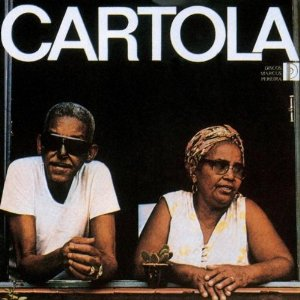
Song highlights: O Mundo é Um Moinho, Minha, Sala de Recepção, Não Posso Viver Sem Ela, Preciso Me Encontrar, As Rosas não Falam
On Cartola II (1976) by the legendary sambista Cartola, the writing is so sharp and his voice so laden with romance and melancholy (saudade) that you can feel the years put into his craft. Co-proprietor of the Zicartola bar in Rio de Janeiro with his musical and life partner Dona Zica (also on the cover of the album), Cartola was instrumental in spreading the music of the favelas to a larger Brazilian and worldwide audience. Only later in his life, did he record whole albums, exhibiting his sublime mastery of the art form.
The opening track, “O Mundo É um Moinho” (The world is a windmill), is one of the great meditations on life in modern music, with an old man giving advice to a younger loved one. The song opens with an elegiac flute and quickly moves into a sparse finger-picked guitar. The narrator counsels his young loved one (“Ainda é cedo, amor“) that soon that long night will come and the passage of one’s life will crush dreams (“Vai triturar teus sonhos“) and reduce illusions to dust (“Vai reduzir as ilusões a pó“). In a manner reminiscent of Ozymandias, the windmill will bring you high, but circle you again low, and your own feet will dig a hole into the abyss (“Quando notares, estás à beira do abismo//Abismo que cavaste com teus pés“). Cartola’s empathic vocals deliver the message of the song with such hushed pain in the initial verse only for the tempo and volume to pick up for the next verse as the urgent message is repeated. Life will bring you down and up and down again, with pressure, pain, and lost love the hard fought cost of wisdom.
Other songs deliver messages of melancholy and regret with an air of grim humor. On “As Rosas não Falam” a man complains to the roses but chides himself when the roses cannot speak back to him (“Que bobagem as rosas não falam“). When other tracks have a more bouncy and up-tempo feel (see “Sala de Recepção”) there is triumph in exploits (“E temos orgulho de ser os primeiros campeões“) and time to hug one’s rival as a brother (“Aqui se abraça inimigo\\Como se fosse irmão“), all while the moon bathes in our songs (“A noite, a lua prateada\\Silenciosa, ouve as nossas canções“).
This album is music of a life lived where in the face of conflict, poverty, and pain, Cartola affirms that happiness nevertheless lives here. (“Eu digo e afirmo que a felicidade aqui mora” from “Sala de Recepção”)
 Wind in the rushes